
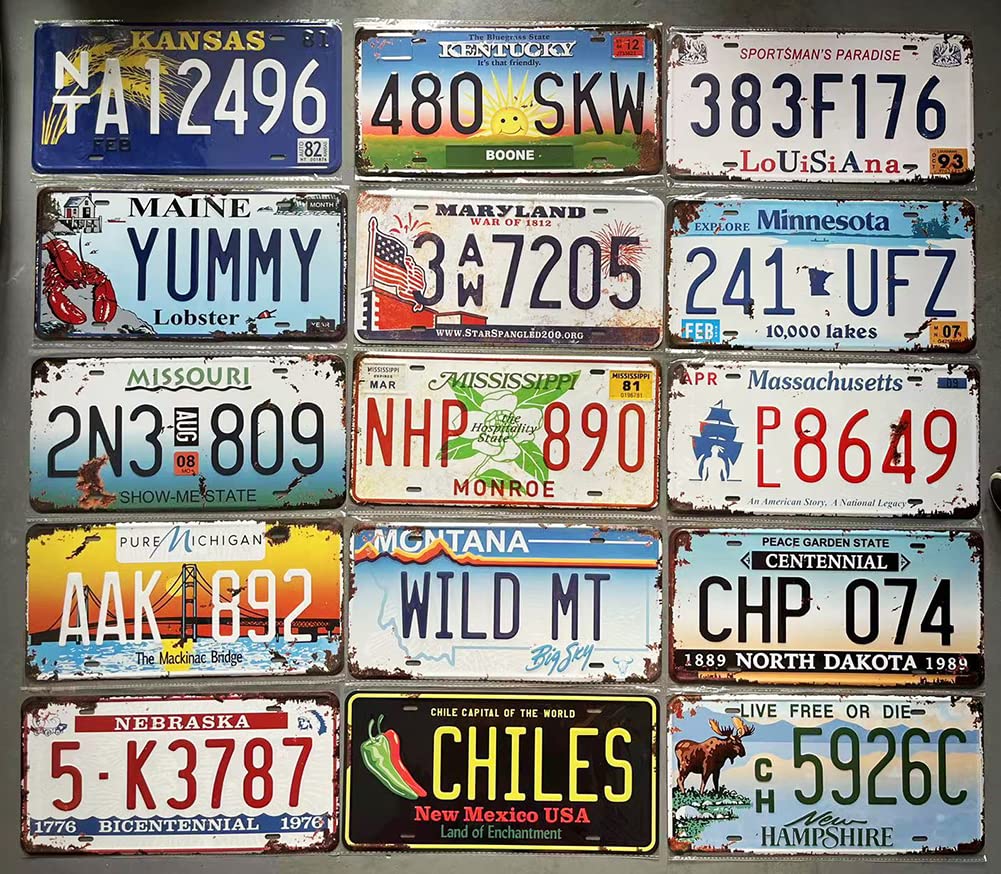

One way to elevate the aesthetic of a garage is by incorporating retro license plates as decorative elements. These vintage tags, with their unique designs and historical significance, offer a distinctive way to add character to any space. For those seeking to enhance their garage’s ambiance, retro license plates provide an affordable and visually striking option. A license plates seller noticed here that integrating vintage items, such as license plates, into a space can create a nostalgic and curated atmosphere, much like selecting heritage to evoke a sense of timelessness. For those interested in sourcing authentic pieces, a wide selection of vintage license plates is available to suit various tastes and eras. This article explores how retro license plates can transform a garage, their historical context, sourcing considerations, and creative display ideas.
The Appeal of Retro License Plates
Retro license plates hold a unique charm due to their connection to automotive history and regional identity. Each plate tells a story, reflecting the era and location from which it originates. Designs from the 1950s to the 1980s often feature bold colors, unique fonts, and slogans that capture the spirit of a state or time period. For example, a 1960s California plate with its iconic black and yellow design or a 1970s Pennsylvania plate with its blue and gold scheme can evoke nostalgia for classic car culture. These plates are not just decorative; they are artifacts that resonate with car enthusiasts and collectors who appreciate the craftsmanship of older vehicles.
The appeal also lies in their versatility. Whether a garage is a functional workspace or a showcase for a vintage car collection, retro plates can complement the environment. They add a layer of authenticity, especially when paired with a classic vehicle from the same era. For collectors, displaying a plate from the year of their car’s manufacture creates a cohesive aesthetic. The tactile quality of embossed metal plates, often weathered by time, adds texture and depth to a space, making them more than just wall art.
Historical Context of License Plates
License plates have been a part of automotive history since the early 20th century, when states began requiring vehicle registration. Initially, plates were simple, often handmade, and lacked standardization. By the 1920s, states adopted uniform designs, with annual updates that included new colors, materials, and numbering systems. The mid-20th century saw a peak in creative designs, with states experimenting with slogans, graphics, and reflective coatings. For instance, New York’s 1973 Liberty plate and Florida’s 1980s orange-themed plates became iconic for their bold aesthetics.
The evolution of license plates reflects broader cultural and technological shifts. During World War II, material shortages led to the use of alternative materials like wood or ceramic in some regions. In the post-war boom, plates became more colorful, reflecting economic optimism and the rise of car culture. Collectors value these plates not only for their design but also for their historical significance. A 1940s plate might evoke memories of a time when cars were a symbol of freedom and innovation, making it a perfect addition to a garage dedicated to automotive passion.
For those interested in acquiring such pieces, many websites offer license plates for sale, ensuring collectors can find tags from specific years or states. These platforms often provide detailed descriptions of a plate’s condition and authenticity, which is crucial for maintaining the integrity of a collection.
Sourcing Authentic Retro Plates
Finding authentic retro license plates requires careful consideration to ensure quality and legitimacy. Genuine plates are typically expired, government-issued tags that have been removed from circulation. These differ from reproduction plates, which are often sold as decorative items but lack the historical value of originals. When sourcing plates, collectors should verify their authenticity, as reproductions can sometimes be mistaken for the real thing. Websites like ShopLicensePlates.com emphasize that their inventory consists of genuine, used plates, with over 30,000 options available, catering to collectors seeking specific years or regions.
Flea markets, antique shops, and car shows are traditional venues for finding vintage plates. However, online marketplaces have expanded access, offering a broader selection and the convenience of browsing from home. When purchasing, collectors should look for plates with visible wear, such as faded paint or minor rust, as these imperfections often confirm authenticity. Plates in pristine condition may be restored, which can affect their value depending on the collector’s preference. For those seeking license plates for sale, it’s advisable to check the seller’s reputation and return policies to ensure a satisfactory purchase.
Another consideration is the legal use of vintage plates. In some states, Year of Manufacture (YOM) programs allow owners of classic vehicles to register original plates from the vehicle’s model year. For example, California permits YOM plates from 1914 to 1980, provided they match the vehicle’s title year and are cleared by the Department of Motor Vehicles. This adds a functional dimension to collecting, as plates can serve both decorative and practical purposes. However, collectors must ensure compliance with state regulations, as requirements vary.
Creative Display Ideas for Retro Plates
Integrating retro license plates into a garage’s decor requires creativity to maximize their visual impact. One popular approach is to create a feature wall by arranging plates in a grid or pattern. For example, a collection of plates from all 50 states can form an impressive display, showcasing geographic diversity. Alternatively, focusing on a single state or decade can create a more cohesive theme. To enhance the arrangement, consider framing plates or mounting them on wood panels for a polished look.
Another idea is to use plates as accents around the garage. Placing a plate above a workbench, near a vintage gas pump, or alongside automotive tools can tie the space together. For those with classic cars, displaying a plate from the same year as the vehicle can create a harmonious connection. Some enthusiasts incorporate plates into functional items, such as crafting a license plate clock or using cut-out letters from plates to spell out names or phrases, adding a personalized touch.
Lighting plays a crucial role in highlighting retro plates. Installing LED strip lights or spotlights can illuminate a display, drawing attention to the plates’ colors and textures. For a rustic vibe, consider pairing plates with other vintage items, such as old road signs or gas station memorabilia. These elements can transform a garage into a nostalgic retreat that celebrates automotive heritage.
Practical Considerations for Collectors
Collecting retro license plates involves more than aesthetics; practical considerations ensure a collection remains valuable and well-preserved. Storage is a key concern, as plates are susceptible to rust and fading. Keeping them in a dry, temperature-controlled environment, such as a garage with proper ventilation, prevents deterioration. For display purposes, UV-protective coatings or frames can shield plates from sunlight, preserving their colors.
Budget is another factor. While many license plates for sale are affordable, rare plates from specific years or states can command higher prices. For example, a 1910s porcelain plate or a limited-issue military plate may cost hundreds of dollars, while common plates from the 1970s might be available for under $20. Setting a budget and prioritizing desired items helps collectors build a meaningful collection without overspending.
Authenticity verification is critical, especially for high-value plates. Reputable sellers provide detailed provenance, such as the plate’s origin and condition. Joining organizations like the Automobile License Plate Collectors Association (ALPCA) can offer resources and networking opportunities for enthusiasts. These communities share knowledge on spotting fakes and sourcing rare plates, enhancing the collecting experience.
Enhancing the Garage Experience
A garage adorned with retro license plates becomes more than a functional space; it transforms into a reflection of the owner’s personality and passion. For car enthusiasts, plates can complement a collection of vintage vehicles, creating a museum-like atmosphere. For hobbyists, they add character to a workspace, making it a more inviting place to tinker or relax. The tactile and visual appeal of retro plates, combined with their historical significance, makes them a versatile decor choice.
Beyond aesthetics, retro plates can spark conversations. Guests visiting a garage may share stories about a particular state or era, fostering a sense of connection. For families, collecting plates can become a shared hobby, with each member contributing to the display. Some collectors even involve younger generations by creating crafts with license plates for sale, such as signs or wall art, blending creativity with nostalgia.
The process of curating a collection also adds to the enjoyment. Hunting for plates at swap meets, online auctions, or specialty stores like ShopLicensePlates.com can be an adventure in itself. Each find adds to the narrative of the garage, turning it into a space that tells a story of automotive history and personal taste.
Legal and Ethical Considerations
When collecting retro license plates, it’s important to navigate legal and ethical considerations. In some states, using vintage plates on vehicles requires adherence to specific regulations, such as obtaining special insurance or limiting the vehicle’s use to exhibitions and parades. For example, New York’s historical plates require an insurance card with the word “HISTORICAL” and are valid for one year. Collectors must research local laws to ensure compliance, especially if they plan to use plates on a registered vehicle.
Ethically, collectors should avoid purchasing stolen or illegally obtained plates. Reputable sellers, such as those offering license plates for sale on established platforms, ensure their inventory is legitimate. Supporting vendors who adhere to ethical standards, like members of ALPCA, helps maintain the integrity of the hobby. Additionally, collectors should be cautious of reproductions marketed as originals, as these can diminish the value of a collection.
Conclusion
Retro license plates offer a unique way to boost the style and personality of a garage. Their historical significance, diverse designs, and affordability make them an ideal choice for car enthusiasts and decorators alike. By carefully sourcing authentic plates, exploring creative display options, and considering practical and legal factors, collectors can create a visually stunning and meaningful space. Whether used to complement a classic car or as standalone decor, retro plates bring a touch of nostalgia and individuality to any garage. For those looking to start or expand their collection, the wide array of license plates for sale online provides an accessible entry point into this rewarding hobby.

Comments are closed.