
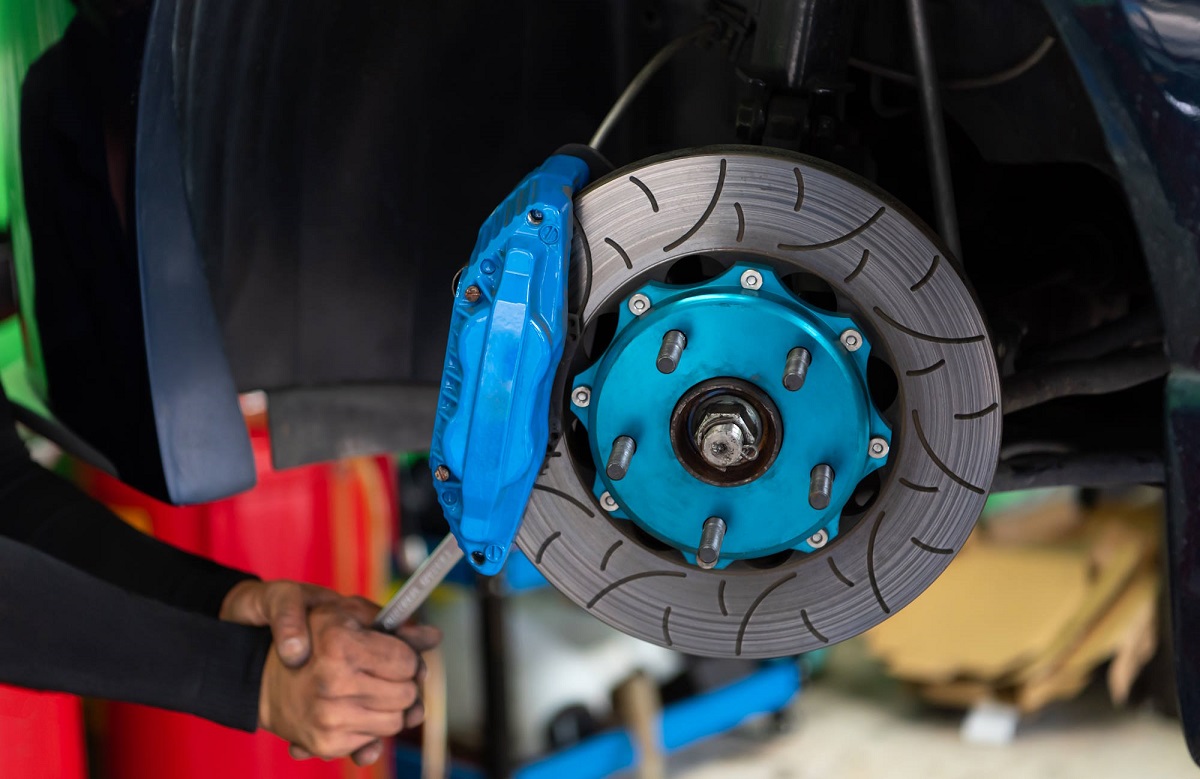

Vehicle safety is not the result of a single component working in isolation. Instead, it depends on a network of auto parts engineered to prevent accidents, protect occupants, and maintain control under unpredictable driving conditions. Understanding these critical components helps drivers appreciate how modern vehicles are designed to reduce risk and save lives.
Braking System
The braking system is one of the most important safety mechanisms in any vehicle. Its primary role is to slow down or stop the vehicle reliably, even in emergency situations.
Key safety-critical braking components include:
- Brake pads and rotors, which generate friction to stop wheel rotation
- Brake calipers, responsible for applying pressure evenly
- Anti-lock Braking System (ABS), which prevents wheel lockup during hard braking
A well-maintained braking system significantly reduces stopping distance and helps drivers maintain steering control during sudden stops.
Airbags and Seat Belts
Airbags and seat belts work together to minimize injury during a collision. While seat belts restrain occupants, airbags cushion the impact, reducing force on the head and chest.
Important elements in this system include:
- Front and side airbags for head and torso protection
- Crash sensors that detect sudden deceleration
- Seat belt pretensioners that tighten belts instantly during impact
These components are essential for reducing the severity of injuries in frontal and side-impact crashes.
Tires and Wheels
Tires are the only parts of a vehicle that maintain direct contact with the road. Their condition directly affects traction, braking efficiency, and steering response.
Safety-focused tire features include:
- Proper tread depth to channel water and reduce hydroplaning
- Correct tire pressure for optimal grip and stability
- High-quality rubber compounds for improved road adhesion
Worn or underinflated tires can dramatically increase stopping distances and reduce vehicle control.
Suspension System
The suspension system keeps the vehicle stable and ensures consistent contact between the tires and the road surface. It plays a vital role in handling, ride comfort, and emergency maneuvering.
Core suspension components include:
- Shock absorbers and struts that control body movement
- Springs that support vehicle weight
- Control arms and bushings that maintain wheel alignment
A properly functioning suspension system improves braking efficiency and reduces the risk of skidding or rollover.
Steering System
Precise steering control is critical for accident avoidance. The steering system allows drivers to respond quickly to hazards and maintain lane stability.
Key steering safety parts include:
- Steering rack and pinion for accurate wheel movement
- Power steering components for reduced driver effort
- Tie rods and joints that ensure directional stability
Any looseness or delay in steering response can compromise safety, especially at higher speeds.
Lighting and Visibility Components
Seeing and being seen are essential elements of road safety. Vehicle lighting systems help drivers navigate safely in low-light conditions and communicate intentions to others.
Essential lighting components include:
- Headlights and taillights for night driving
- Brake lights to warn following vehicles
- Turn signals and hazard lights for clear communication
Clear windshields, wiper blades, and mirrors also play a crucial role in maintaining visibility during adverse weather.
Electronic Safety Systems
Modern vehicles rely heavily on electronic systems to enhance safety. These systems continuously monitor driving conditions and assist drivers in maintaining control.
Notable electronic safety features include:
- Electronic Stability Control (ESC) to prevent skidding
- Traction control systems for slippery surfaces
- Advanced driver assistance systems (ADAS) such as collision warnings
These technologies act as an additional layer of protection, especially in emergency scenarios.
FAQ
1. How often should safety-critical auto parts be inspected?
Most safety components should be inspected during routine maintenance, typically every 6–12 months or as recommended by the manufacturer.
2. Can worn suspension parts affect braking performance?
Yes, worn suspension components can reduce tire contact with the road, increasing stopping distance and reducing control.
3. Are aftermarket safety parts as reliable as original components?
High-quality aftermarket parts can be reliable if they meet safety standards, but poorly made components may compromise performance.
4. How do electronic safety systems improve accident prevention?
They monitor vehicle behavior in real time and intervene automatically to prevent loss of control or collisions.
5. What role do seat belts play if airbags are installed?
Seat belts are still essential because they position occupants correctly and prevent ejection during a crash.
6. Can improper tire pressure trigger safety system warnings?
Yes, incorrect tire pressure can activate warning lights and reduce the effectiveness of stability and braking systems.
7. Does vehicle lighting impact daytime safety?
Absolutely. Functional daytime running lights and brake lights improve visibility and reduce the risk of collisions even in daylight.

Comments are closed.