
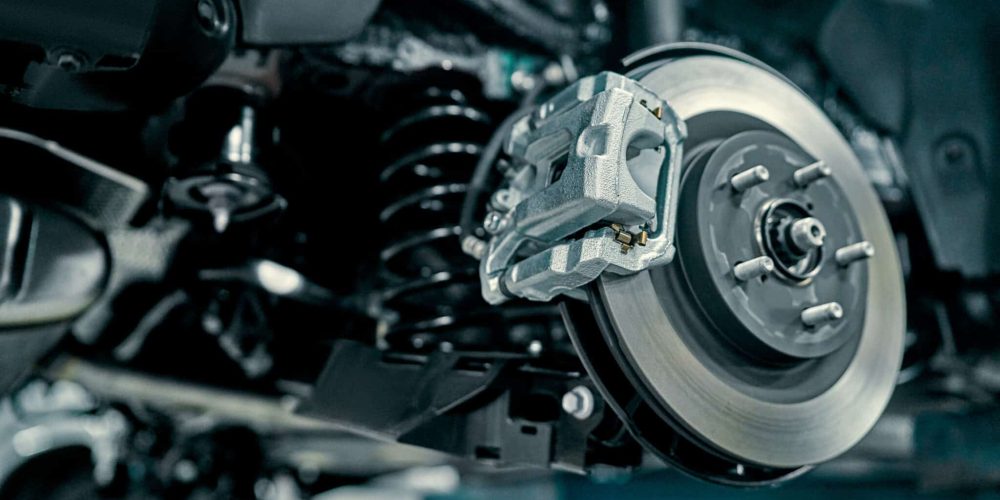

Modern vehicles are no longer defined only by engine power or design. Safety and control technologies, especially advanced braking systems, now play a central role in how vehicles protect drivers, passengers, and pedestrians. These systems actively prevent accidents, reduce stopping distances, and help drivers maintain control in critical situations.
This article explores how advanced braking systems work and why they are essential for safer driving.
Understanding Advanced Braking Systems
Advanced braking systems go beyond traditional hydraulic brakes. They use sensors, electronic control units (ECUs), and real-time data processing to adapt braking force to road and driving conditions.
Unlike conventional brakes that rely solely on driver input, modern systems assist or intervene when they detect a potential loss of control or collision risk.
Key Goals of Advanced Braking Technology
- Maintain vehicle stability
- Prevent wheel lock-up during hard braking
- Reduce stopping distances
- Assist drivers in emergencies
- Improve traction on slippery surfaces
Anti-Lock Braking System (ABS)
The Anti-Lock Braking System (ABS) is one of the most widely adopted braking innovations.
ABS prevents wheels from locking during sudden or heavy braking by rapidly pulsing brake pressure. This allows drivers to steer while braking, which is critical in emergency maneuvers.
Safety Benefits of ABS
- Improved steering control on wet or icy roads
- Reduced risk of skidding
- More predictable braking behavior
ABS forms the foundation for many other advanced braking features.
Electronic Brakeforce Distribution (EBD)
Electronic Brakeforce Distribution (EBD) automatically adjusts braking force between the front and rear wheels based on vehicle load and speed.
This ensures each wheel receives optimal braking pressure, improving balance and reducing the likelihood of rear-wheel lockup.
Why EBD Matters
- Enhances braking efficiency
- Maintains stability during cornering
- Improves stopping performance when carrying passengers or cargo
Brake Assist (BA)
In emergency situations, many drivers do not apply enough force to the brake pedal. Brake Assist (BA) detects panic braking and instantly applies maximum braking power.
How Brake Assist Improves Safety
- Shortens stopping distance
- Reacts faster than human input
- Reduces collision severity
This system is particularly effective in sudden, high-speed emergencies.
Electronic Stability Control (ESC)
Electronic Stability Control (ESC) integrates braking with steering and yaw sensors to prevent skidding or loss of control.
If the system detects understeer or oversteer, it selectively brakes individual wheels to help realign the vehicle’s trajectory.
ESC in Real-World Driving
- Helps prevent rollovers
- Maintains control on sharp turns
- Stabilizes vehicles on slippery roads
ESC is widely recognized as one of the most impactful vehicle safety technologies ever developed.
Traction Control System (TCS)
Traction Control System (TCS) works closely with braking components to prevent wheel spin during acceleration.
When excessive wheel spin is detected, the system applies braking force to the spinning wheel or reduces engine power.
Key Advantages of TCS
- Improved grip on snow or rain-covered roads
- Better acceleration stability
- Reduced tire wear
Automatic Emergency Braking (AEB)
Automatic Emergency Braking (AEB) uses radar, cameras, or lidar to detect obstacles ahead and apply brakes automatically if the driver does not respond in time.
Why AEB Is a Game-Changer
- Prevents or mitigates frontal collisions
- Protects pedestrians and cyclists
- Reduces reaction-time dependency
AEB has proven highly effective in reducing rear-end crashes.
How Advanced Braking Systems Work Together
Modern vehicles do not rely on a single braking technology. Instead, systems such as ABS, EBD, ESC, TCS, and AEB work together as an integrated safety network.
This coordination allows vehicles to:
- Respond intelligently to complex driving conditions
- Compensate for driver error
- Maintain consistent braking performance
Long-Term Safety and Control Benefits
Advanced braking systems offer benefits that extend beyond emergency situations.
- Lower accident rates
- Reduced repair and medical costs
- Greater driver confidence
- Enhanced vehicle resale value
As roads become more congested and driving environments more complex, these systems continue to evolve in importance.
The Future of Braking Technology
Emerging innovations include brake-by-wire systems, predictive braking using AI, and tighter integration with autonomous driving technologies.
Future braking systems will not only react to danger but anticipate it, making vehicles even safer.
Frequently Asked Questions (FAQs)
1. Do advanced braking systems replace the driver’s role?
No. These systems assist and enhance driver control but do not eliminate the need for attentive driving.
2. Are advanced braking systems effective in all weather conditions?
They significantly improve safety in rain, snow, and ice, but extreme conditions can still limit traction.
3. Does ABS reduce stopping distance?
ABS improves steering control during braking; stopping distance may vary depending on surface conditions.
4. Can advanced braking systems prevent all accidents?
They greatly reduce risk and severity but cannot prevent every possible accident.
5. Are these systems expensive to maintain?
Most systems are designed for long-term reliability and typically require minimal additional maintenance.
6. Do older vehicles have advanced braking features?
Many older vehicles lack modern systems, though some features can be added through aftermarket solutions.
7. How do advanced braking systems impact insurance rates?
Vehicles equipped with advanced safety features often qualify for lower insurance premiums.

Comments are closed.