
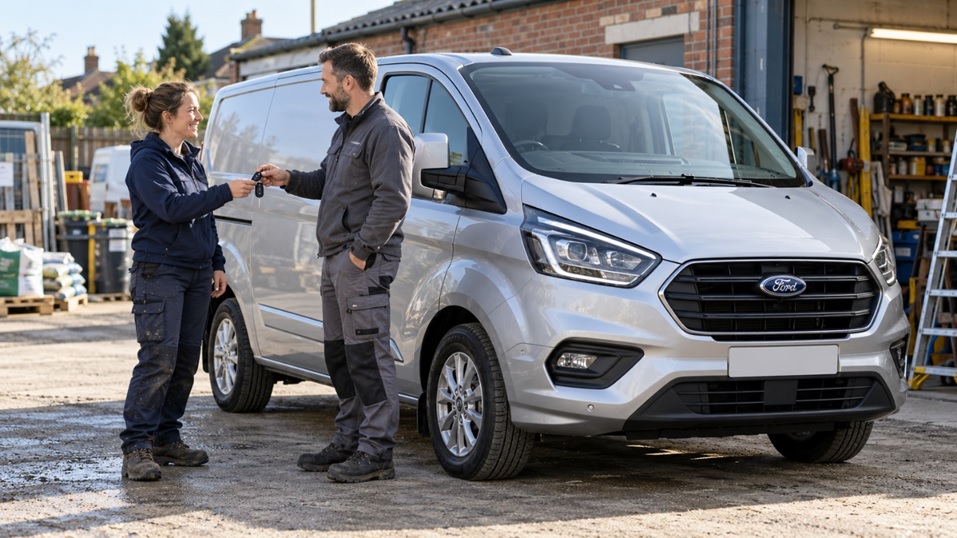

The keys change hands at lunchtime. One employee has finished a morning of deliveries; another needs the vehicle for an afternoon installation. For businesses searching for a ford transit custom for sale, this shared arrangement brings a particular set of buying questions. The van must suit several people and different assignments, while remaining straightforward to organise between journeys.
A vehicle chosen by its main driver can work perfectly well until someone else takes over. Seat adjustment, equipment placement and familiarity with controls suddenly become shared concerns. Considering those details before purchase helps the team get more consistent use from the vehicle.
Start With the Jobs That Overlap
A shared van often performs several roles without needing a separate setup for each.
A property maintenance company, for example, might use it for inspections, small repairs and material collections. Some tools travel every day, while others are loaded for specific assignments.
Map those activities before choosing the body and seating configuration. Identify the largest regular load, how many people accompany it and whether equipment remains in the vehicle between users.
This can reveal a conflict early. Additional passenger seats may be useful for team visits, but the remaining load area still needs to accommodate the work. A longer body may provide helpful space while making certain parking locations less convenient.
Ask for the exact specification of any shortlisted Transit Custom. Model name and exterior appearance alone cannot establish its suitability.
Invite the Quietest Driver Into the Decision
The person buying the van may be the most confident driver in the business. Their experience does not necessarily reflect everybody else’s.
Involve regular users before settling on a vehicle. Where possible, let them assess a representative example and explain any concerns.
One colleague may need a different seat position to reach the pedals comfortably. Another may find a particular cab layout easier to navigate. Someone who visits confined residential sites may notice visibility or manoeuvring questions that a motorway driver overlooks.
Collect specific observations. “I prefer the other one” is less useful than “I cannot find a comfortable position without my knee touching the console”.
Resolve essential usability questions first, then discuss preferences.
Choose Equipment Everyone Can Understand
Features can help a shared team when their operation is clear and consistent.
During an inspection or demonstration, ask how the fitted locking arrangements, parking aids and driver assistance systems work. Confirm which features belong to the vehicle being quoted, since demonstration vans may have different equipment.
Avoid relying on one knowledgeable employee to explain everything informally. Arrange a short introduction for each regular driver when the van arrives.
That introduction should include adjusting the driving position, locating essential controls and understanding warning messages. Keep the handbook accessible and establish where drivers should direct questions.
Any navigation destination or phone connection should be prepared while safely parked. A familiar routine helps when different users take over during a busy day.
Build a Load Area With a Common Language
Shared equipment becomes difficult to manage when everybody has a personal idea of where it belongs.
Use a consistent layout with clearly identified storage locations. Frequently used tools should have an agreed home, and consumables should be easy to count.
For example, separate everyday repair tools from items loaded only for installations. Keep suitable space available for collections rather than filling every gap permanently.
When discussing a Transit Custom with SwissVans.com, explain that several employees will use it. Include the standard equipment load and the assignments that require a different arrangement.
Have any proposed storage assessed for compatibility, secure installation and weight. Check the finished vehicle against the carrying limits of the exact derivative, including occupants and accessories.
A layout that works for the whole team should remain understandable without its designer standing beside it.
Make the Handover Short Enough to Happen
A complicated reporting process is easy to postpone when the next appointment is waiting.
Agree a brief handover that covers the information the next driver actually needs:
- Any new fault, warning or damage.
- Equipment removed or used up.
- Fuel or charging status, as applicable.
- Items awaiting delivery or collection.
- Any appointment information that affects the vehicle’s preparation.
Record issues in one agreed place. A message sent privately to a colleague can disappear from view when responsibility changes again.
Allow time for drivers to check the vehicle and adjust it before departure. The handover should support their own checks rather than replace them.
Give One Person Responsibility for Upkeep
Several drivers can share the vehicle, but servicing and administration need a clear owner.
Nominate someone to manage maintenance bookings, records, spare keys and reports of damage. Drivers should know whom to contact and which issues require the vehicle to be taken out of use pending advice.
Before purchase, confirm the vehicle’s history where relevant, warranty terms and any servicing arrangements included in the offer. Request the agreed specification and price breakdown in writing.
If considering a used example, arrange an appropriate inspection and review its documented maintenance history. The needs of a shared team do not remove the usual checks required when buying a work vehicle.
Review the First Month Together
After several weeks, ask the team what repeatedly causes delay. Look for missing stock, awkward storage and handovers that leave information behind.
Some problems will need a change to the layout. Others may need a clearer routine.
A successful shared Transit Custom gives each driver a predictable starting point: the vehicle is ready, essential equipment is present and outstanding issues are recorded. Choosing it with the whole team in mind makes that standard easier to maintain.
