
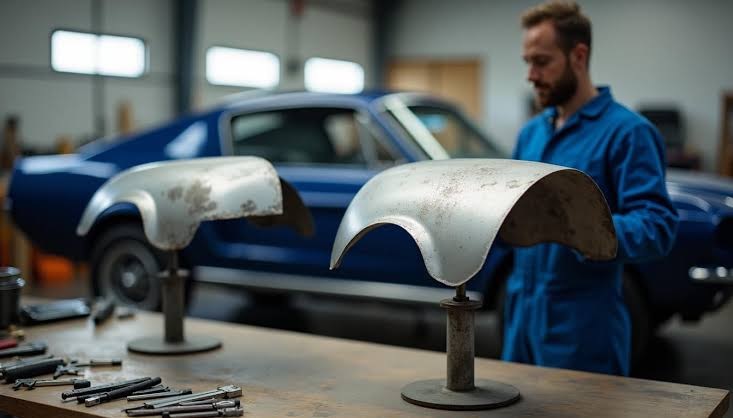

Bringing a classic vehicle back to life is an exercise in extreme patience, financial endurance, and mechanical passion. Whether you are stripping down a mid-century American muscle car, reviving a vintage European roadster, or restoring a rugged classic utility truck, the vision is always the same: turning a rusted, forgotten shell into a flawless automotive masterpiece. Yet, the reality of the restoration floor is often harsh. The journey from a bare chassis to a running, driving piece of history is fraught with massive logistical and mechanical hurdles.
Among the most critical decisions any builder faces during this process is the sourcing of replacement components. The automotive aftermarket is flooded with reproduction parts, but the spectrum of quality is staggeringly wide. Attempting to cut corners by purchasing inferior, poorly machined components inevitably transforms a dream project into an exhausting battle against misaligned bolt holes, leaking seals, and distorted body panels. Understanding why precision-made parts are the true bedrock of a successful restoration is essential for anyone looking to build a vehicle that not only looks authentic but performs flawlessly on the modern road.
The Danger of the “Close Enough” Mentality
In the thick of a multi-year restoration, fatigue sets in. When a builder is desperate to finally mate the engine to the transmission or hang the front sheet metal, the temptation to accept a part that is merely “close enough” becomes overwhelming. This mindset is the single greatest enemy of a high-quality build.
A vehicle is a complex, interconnected dynamic machine where every component relies heavily on the structural integrity of the parts surrounding it. When you introduce a poorly manufactured component into this ecosystem, you trigger a cascading series of mechanical compromises. Consider a simple reproduction water pump bracket. If the mounting surface is machined just a fraction of an inch out of square, the entire pulley system will sit at a slight angle. This imperceptible misalignment will continuously throw the serpentine belt off its track at high engine speeds, leading to sudden overheating, shattered fan blades, and potentially catastrophic engine damage.
Precision-made parts eliminate this dangerous domino effect. They are engineered to honor the exact geometry dictated by the original factory blueprints, ensuring that when a component is bolted down, it interfaces perfectly with the rest of the vehicle’s architecture without requiring brute force or highly questionable modifications.
How Modern Engineering Resurrects Vintage Metal
Ironically, the key to authentically restoring a vehicle from the nineteen-sixties or seventies relies heavily on the manufacturing technologies of the twenty-first century. The original factory tolerances of vintage cars were notoriously loose. Assembly line workers frequently used shims, lead filler, and heavy mallets to force parts into alignment before the cars ever rolled onto the dealership lot. Today, the standard for a premium restoration is significantly higher than the original factory standard.
Reverse Engineering and Microscopic Tolerances
Premium aftermarket manufacturers do not simply cast a mold over an old, worn-out original part. They utilize 3D laser scanning to map the physical dimensions of the original component down to the microscopic level. Engineers then pull this data into advanced computer-aided design software to digitally correct decades of metal fatigue, wear, and structural warping.
Once the digital model is perfected, the component is carved from a solid block of raw material using Computer Numerical Control (CNC) machining. This process yields parts with tolerances measured in the thousandths of an inch. When a builder installs a precision-machined suspension control arm or a custom billet aluminum valve cover, they are essentially upgrading the vehicle’s structural DNA, bypassing the sloppy tolerances of the original era and replacing them with aerospace-level accuracy.
The Evolution of Automotive Material Science
Precision is not merely about the physical shape of a part; it is equally about the molecular makeup of the material used to create it. Decades ago, automakers relied heavily on cheap cast iron and porous pot metal to mass-produce trim pieces, brackets, and engine accessories. These materials are inherently brittle, prone to rapid oxidation, and highly susceptible to cracking under thermal stress.
Today, precision-made reproduction parts frequently utilize superior modern alloys. A carburetor base plate that was originally made from cheap cast metal can now be sourced in high-grade billet aluminum. Suspension bushings that were originally molded from organic rubber—which rapidly dries out and crumbles—are now precision-poured from heavy-duty polyurethane. These material upgrades ensure that the restored vehicle will outlast its original factory lifespan while retaining a completely stock, period-correct visual appearance.
The Economics of Perfect Fitment
A common justification for avoiding premium, precision-made parts is the initial sticker shock. Budget reproduction parts are undeniably cheaper at the checkout counter, but that initial savings is a complete illusion once the part reaches the garage floor. The hidden cost of cheap parts is the exorbitant amount of labor required to make them actually fit.
If you purchase a bargain-priced reproduction fender, you will likely discover that the body lines do not match the doors, and the curvature around the headlight bucket is severely distorted. You are then forced to pay a skilled autobody fabricator dozens of hours in labor to cut, weld, grind, and fill the cheap panel until it properly aligns with the chassis. At an average shop rate of a hundred dollars an hour, a cheap fender rapidly becomes the most expensive piece of sheet metal on the car.
Precision-made parts are designed as true plug-and-play components. They drop directly into the factory mounting locations, the body lines match seamlessly, and the hardware torques down without stripping. Investing heavily in precision engineering on the front end drastically reduces expensive, highly frustrating labor hours on the back end, keeping the overall restoration budget manageable and predictable.
Protecting the Investment and Appraisal Value
Classic cars are no longer just weekend hobbies; they are highly liquid alternative financial assets. The collector car market is intensely scrutinized by professional appraisers, auction houses, and private buyers who know exactly what to look for when evaluating the pedigree of a build.
The difference between a mid-tier driver and a six-figure concours-level restoration lies entirely in the details. Judges and high-end buyers scrutinize panel gaps, the alignment of stainless steel window trim, the symmetrical seating of the dashboard gauges, and the authentic routing of the engine bay plumbing. If a vehicle is riddled with ill-fitting aftermarket parts, crooked bumpers, and obvious fabrication patches, its appraisal value plummets. Utilizing precision-made parts guarantees the crisp, flawless aesthetic execution that commands top dollar at auction blocks and elite car shows.
Restoring Highway Drivability and Safety
Finally, a restored vehicle is meant to be driven, and modern road conditions are entirely unforgiving. Vintage cars were designed for a time when highway speeds were lower and traffic was sparse. Merging a heavy, drum-brake-equipped muscle car onto a modern interstate packed with highly responsive, computer-controlled commuter cars is an inherently dangerous proposition.
The safety of the vehicle depends entirely on the precision of its steering, suspension, and braking systems. A steering gearbox rebuilt with precision-machined internal gears eliminates the terrifying “dead zone” in the center of the steering wheel, allowing the driver to keep the heavy vehicle planted firmly in its lane. Precision-calibrated brake calipers and perfectly balanced suspension linkages ensure that when the driver encounters a panic-stop situation, the chassis reacts predictably and aggressively without pulling violently into oncoming traffic.
Vehicle restoration is the ultimate act of mechanical preservation. It requires pouring thousands of hours of blood, sweat, and capital into a machine simply because it possesses a soul that modern vehicles lack. Honoring that legacy requires a refusal to compromise on the quality of its components. By demanding precision-made parts for every phase of the build, you eliminate the friction of assembly, protect the financial ceiling of the investment, and ensure that the finished vehicle operates as beautifully as it looks.

Comments are closed.